Blog

Your blog category

Stress Healing: Simple Daily Practices to Bring Peace Back Into Your Life

क्या आपने कभी ऐसा महसूस किया है कि पर्याप्त आराम करने के बाद भी आपका मन थका हुआ है? क्या छोटी-छोटी बातें आपको परेशान करती हैं? क्या आपका दिमाग हर समय किसी न किसी चिंता, जिम्मेदारी या भविष्य की सोच में उलझा रहता है?

अगर हाँ, तो आप अकेले नहीं हैं।

How to Reduce Stress-Naturally
How-to-Reduce-Stress-Naturally

आज की भागदौड़ भरी जिंदगी में तनाव (Stress) हमारी दिनचर्या का एक आम हिस्सा बन गया है। काम का दबाव, परिवार की जिम्मेदारियाँ, आर्थिक चिंताएँ, रिश्तों की उलझनें और खुद से बहुत अधिक अपेक्षाएँ हमारे मानसिक और भावनात्मक स्वास्थ्य को प्रभावित कर सकती हैं।

लेकिन एक बात हमेशा याद रखिए:

शांतिपूर्ण जीवन जीने के लिए जरूरी नहीं कि आपकी जिंदगी की हर समस्या खत्म हो जाए। जरूरी यह है कि आप मुश्किल परिस्थितियों में खुद का ख्याल रखना सीखें।

Stress Healing: Simple Daily Practices to Bring Peace Back Into Your Life Read More »

ध्यान विधि 18: बहती नदी और अनहद नाद (आंतरिक मौन) का ध्यान

आज की भागदौड़ भरी जिंदगी और शहरी शोर-शराबा हमारे दिमाग को अशांत और उत्तेजित कर देता है। ऐसे माहौल में लगातार गाड़ियों के हॉर्न और शोर से तनाव बढ़ना स्वाभाविक है। लेकिन क्या आप जानते हैं कि प्राचीन ध्यान पद्धति में मन को शांत करने के दो बेहद सरल और शक्तिशाली उपाय मौजूद हैं?

प्राचीन ध्यान ग्रंथ विज्ञान भैरव तंत्र में बताया गया है कि बाहरी ध्वनि या आंतरिक मौन के माध्यम से बिना किसी संघर्ष के ध्यान की गहरी अवस्था में कैसे प्रवेश किया जा सकता है। आइए समझते हैं इन दोनों अभ्यासों को।

1. बहती नदी का ध्यान (The Flowing Stream Meditation)

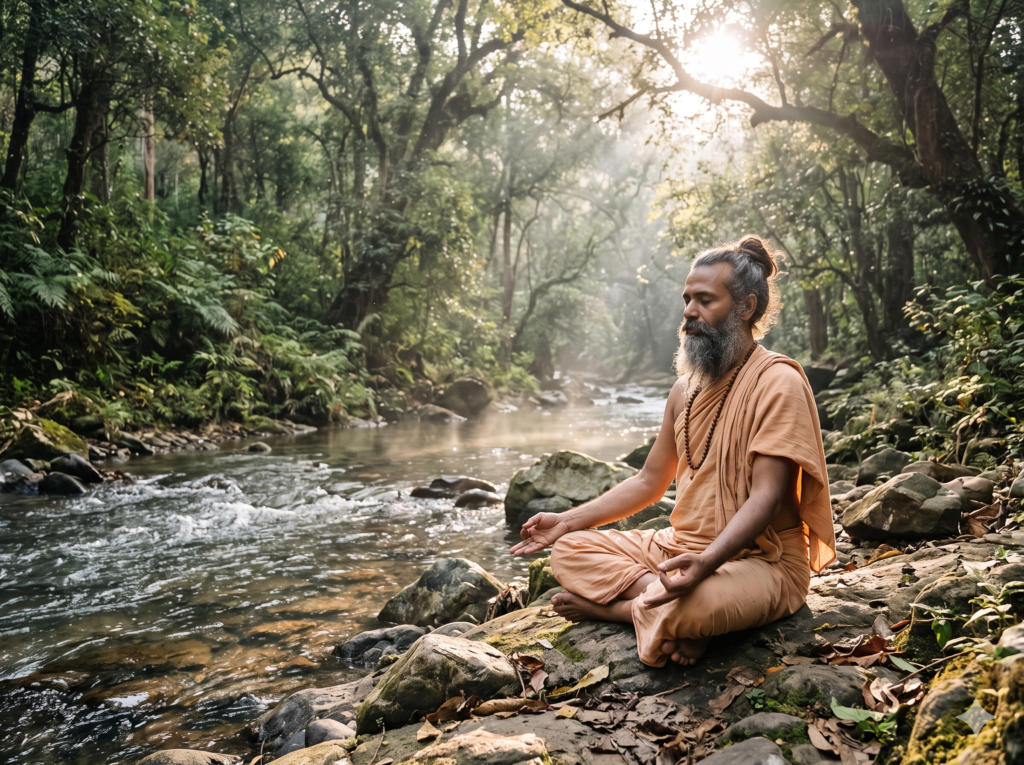
यदि आप प्रकृति के करीब हैं या आपके आसपास कोई नदी या शांत झरना है, तो यह अभ्यास आपके लिए अत्यंत लाभकारी है।

  • विधि: किसी बहती हुई नदी के किनारे आरामदायक स्थिति में बैठ जाएं और अपनी आंखें बंद कर लें।
  • अभ्यास: अपने पूरे ध्यान को पानी के निरंतर बहने की ध्वनि में पूरी तरह डुबो दें। बाकी सभी बाहरी ध्वनियों को मन से बाहर कर दें।
  • प्रभाव: नदी का बहाव एक प्राकृतिक और अनवरत ध्वनि (continuous sound) है। शहरी शोर के विपरीत, यह ध्वनि मन को तुरंत शांत करती है और विचारों का प्रवाह रुकने लगता है।

2. अनहद नाद: आंतरिक मौन को सुनना (The Unstruck Sound)

दुनिया की हर ध्वनि दो वस्तुओं के आपस में टकराने से बनती है। लेकिन ‘अनहद नाद’ (Unstruck Sound) वह सूक्ष्म और दिव्य ध्वनि है जो बिना किसी आघात या घर्षण के स्वतः उत्पन्न होती है। हमारी निरंतर चलती सांस भी इसी अनहद नाद का एक सहज रूप है।

यदि आप घर पर हैं, तो इस विधि का अभ्यास आसानी से कर सकते हैं:

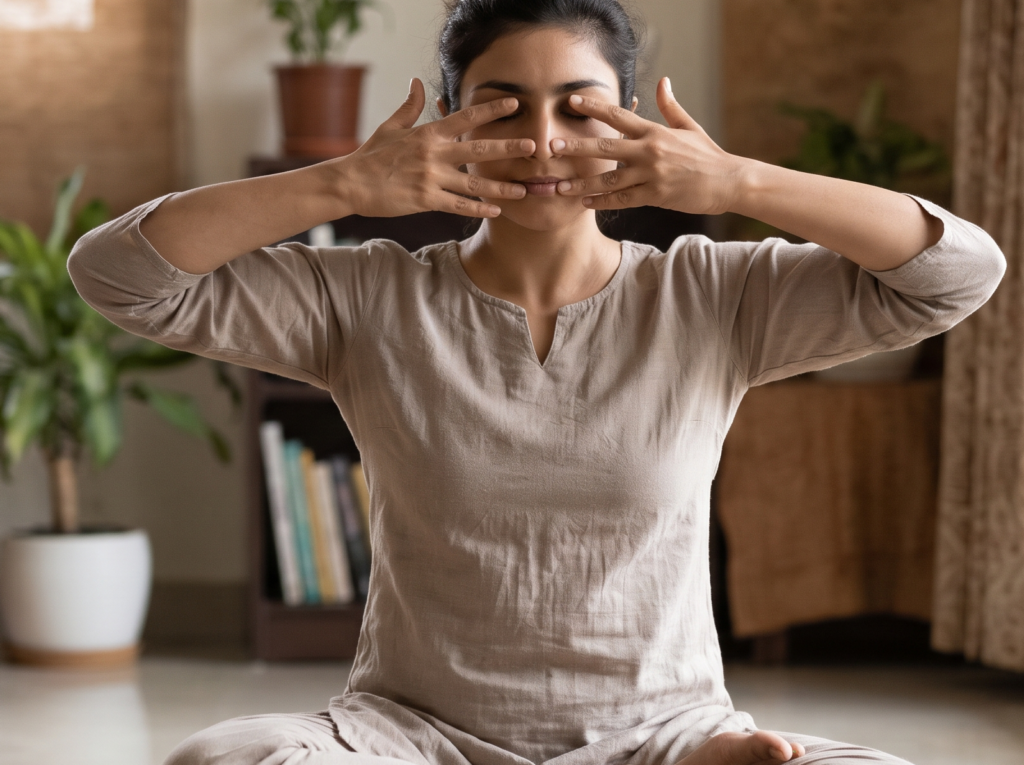
  • विधि: रीढ़ को सीधा रखकर शांत बैठें और अपनी उंगलियों या अंगूठों से दोनों कानों को अच्छी तरह बंद कर लें ताकि बाहरी आवाज़ें रुक जाएं।
  • अभ्यास: अब बाहर की बजाय भीतर के गहरे सन्नाटे और मौन (silence) पर अपना ध्यान केंद्रित करें।
  • मौन की शक्ति: जैसे ही आप आंतरिक स्थिरता पर टिकते हैं, मन अपने आप मौन होने लगता है। श्वास की स्वाभाविक गति के साथ भीतर एक गहरा विश्राम महसूस होता है।

ध्यान की गहराई में सुनाई देने वाली 10 सूक्ष्म ध्वनियां

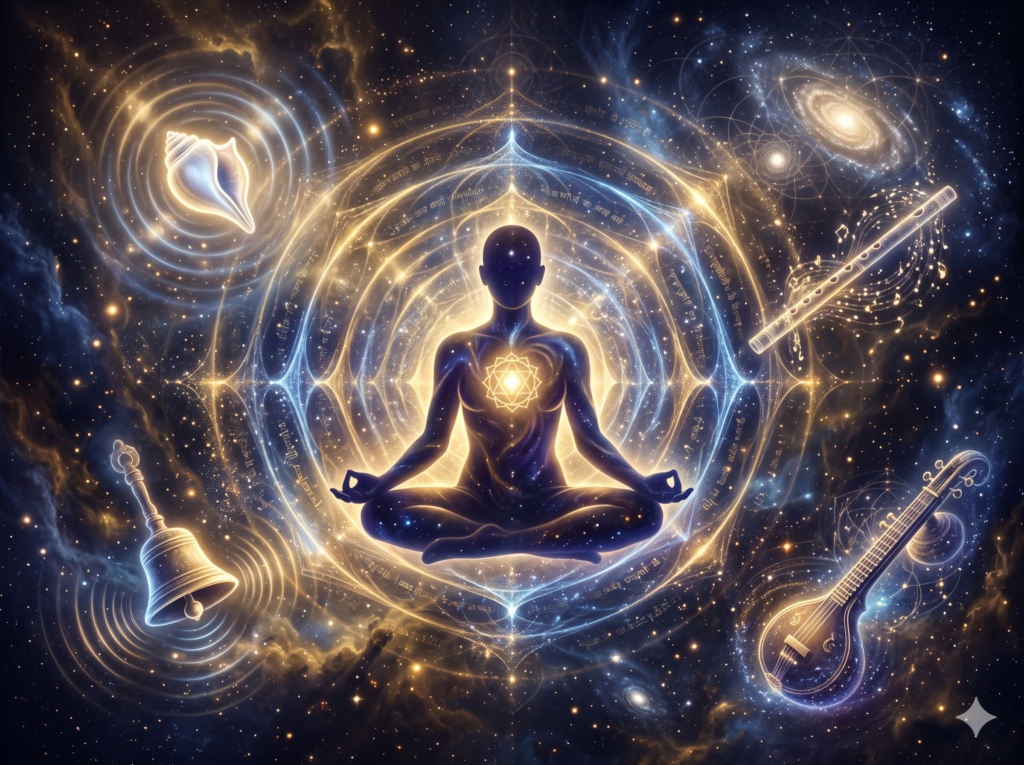
प्राचीन योग ग्रंथों के अनुसार, जब आप कान बंद करके आंतरिक मौन पर एकाग्र होते हैं, तो अभ्यास गहरा होने पर भीतर 10 प्रकार की ब्रह्मांडीय ध्वनियां (Cosmic Sounds) सुनाई दे सकती हैं:

  1. मधुमक्खी के गुंजन की ध्वनि (Humming of a bee)
  2. झनकर जैसी सूक्ष्म ध्वनि
  3. मंदिर की घंटियों की खनक (Bells ringing)
  4. शंख की गूंज (Conch shell)
  5. वीणा या तंत्री वाद्य की मधुर झंकार
  6. झांझ/करताल की छन-छन (Cymbals)
  7. बांसुरी की सुरम्य तान (Flute)
  8. मृदंग या ढोल की एकल गूंज (Single drum)
  9. दो ढोलों की संयुक्त गूंज (Two drums)
  10. आकाश में बादलों की गर्जना (Thunder)

विशेष बात: इन ध्वनियों के पीछे भागना आवश्यक नहीं है। केवल भीतर के मौन के प्रति सजग रहना ही ध्यान की पूर्णता के लिए पर्याप्त है।

दैनिक अभ्यास का नियम

प्रतिदिन रात को सोने से पहले केवल 2 से 5 मिनट के लिए अपने कान बंद करें और भीतर के मौन को महसूस करें। यह अभ्यास दिनभर के मानसिक तनाव और ओवरथिंकिंग को समाप्त कर गहरी, सुकून भरी नींद लाने में मदद करता है।

हमारे साथ हर रोज योग और ध्यान के लिए जरुरे जुड़े |

ध्यान विधि 18: बहती नदी और अनहद नाद (आंतरिक मौन) का ध्यान Read More »

What is Yoga? A Simple Human Story About Connection

“Ever noticed what happens when a trending song starts playing? You immediately connect with it. Why? Because someone created something fun and catchy that grabbed your attention right away.“

Yoga works on that exact same principle.

Most people think Yoga is just twisting your body on a mat, but the literal Sanskrit meaning is simple: जोड़ना (To Add / To Connect). It simply means bringing two things together.

The real question is: what are we actually connecting?

The answer is surprisingly direct: Connecting yourself to yourself.

Are There Really Two of “Us”?

You might wonder how one person can be two different selves.

Yes, there are two distinct sides:

  1. The First “Self” (The one everyone sees): Your name, your physical body, weight, height, parents, where you live, what you like or dislike, and everything you can touch, see, or feel.
  2. The Second “Self” (The one we often forget): Your Soul—the real observer sitting quietly behind all those surface labels.

Why Bother Making This Connection?

Why should anyone care about this internal link? Because deep down, everyone carries questions that everyday logic never seems to solve:

  • Where did we come from, and where do we go when we die?
  • Why does our heart beat for a limited span of time?
  • Why are some people born into fortune and others into hardship?
  • Did we pick our family, or was it purely random?
  • What is our true purpose here?

When you chase answers only on the outside, you keep spinning in circles. But once you build that inner bridge, life’s core questions naturally begin to make sense.

The Three-Piece Puzzle: Mind, Connection, and Soul

Break it down into three simple pieces:

Our Mind (मन) –> Yoga (The Connection) –> Our Soul (The Real Self)

The best part happens once the connection is made:

  • Two of the three disappear: the chatter of the Mind quiets down, and the bridge (Yoga) dissolves because you have arrived.
  • Only one thing remains standing: The Soul

Yoga is not an escape from everyday reality. It is just the straight road that takes you away from the endless noise of your Mind and drops you straight into the quiet truth of your Soul.

Original Writing & Concept by: Er. Anjan ( P.hD Scholar in Yoga )

Date: 04 October 2026

What is Yoga? A Simple Human Story About Connection Read More »

How to Reduce Stress-Naturally

How to Reduce Stress Naturally

Learn how to reduce stress naturally with proven methods, expert tips, and tools. Practical, science-backed techniques to stay calm and productive daily.

Stress isn’t just something you “feel” — it’s something that slowly rewires your body, productivity, and decision-making. After years of working in high-pressure environments and testing dozens of stress-management techniques (and honestly, wasting money on some useless ones too), I’ve figured out what actually works when it comes to reducing stress naturally.This guide isn’t generic advice like “just relax” or “take deep breaths. This is a practical, real-world, tested system for people who deal with daily pressure, deadlines, and mental overload.Let’s get into it.

Why Natural Stress Reduction Matters

Most people try to manage stress with shortcuts — caffeine, scrolling, distractions, or even medication.
The problem?
Those don’t fix the root cause.
Natural stress reduction works because it:
1. Regulates your nervous system
2. Improves long-term mental clarity
3. Builds resilience instead of dependency
And the best part — once you build these habits, they compound over time.


1. Fix Your Breathing

Let me be blunt:
If your breathing is wrong, everything else fails.
When you’re stressed, your breathing becomes shallow and fast — which signals your brain that you’re in danger.

What actually works

Use this simple method (I personally use it before important calls or decisions):

4-4-6 Breathing Technique

  • Inhale for 4 seconds
  • Hold for 4 seconds
  • Exhale for 6 seconds

Repeat for 3–5 minutes.

Why it works:

  • Activates the parasympathetic nervous system
  • Reduces cortisol instantly
  • Improves focus within minutes
How to Reduce Stress Naturally

2. Move Your Body (Without Overcomplicating It)

You don’t need a gym. You don’t need a 2-hour workout.
What you need is consistent movement.

What you have to do ?

If you’re stressed → move for 10 minutes minimum.

Best natural stress-relief movements:

  1. Walking outdoors (best option)
  2. Light jogging
  3. Stretching
  4. Bodyweight exercises

Why it works:

  1. Releases endorphins (natural mood boosters)
  2. Reduces mental fatigue
  3. Breaks negative thought loops

3. Control Your Information Intake

This is where most people fail.

You cannot reduce stress if your brain is constantly overloaded.

Reality check:

  1. Social media = stress amplifier
  2. News overload = anxiety trigger
  3. Notifications = attention destroyer

What I personally do:

  • No phone for the first 30 minutes after waking up
  • Limit news consumption to 10 minutes/day
  • Turn off unnecessary notifications

Result:

  • Clearer thinking
  • Reduced anxiety
  • Better emotional control

4. Use Nature as a Stress Reset Tool

This is one of the most powerful (and free) techniques.

Science-backed truth:

Spending time in nature lowers cortisol levels significantly.

Practical approach:

  1. 15–20 minutes daily outdoors
  2. Walk barefoot on grass (grounding)
  3. Sit in silence without phone

5. Optimize Your Sleep (Non-Negotiable)

You cannot out-hack stress if your sleep is broken.

Signs your sleep is causing stress:

  • Brain fog
  • Irritability
  • Low energy
  • Poor decisions

What actually works:

  • Sleep at the same time daily
  • Avoid screens 30–60 mins before bed
  • Keep your room dark and cool

FAQs

How to Reduce Stress Naturally Read More »

Scroll to Top